

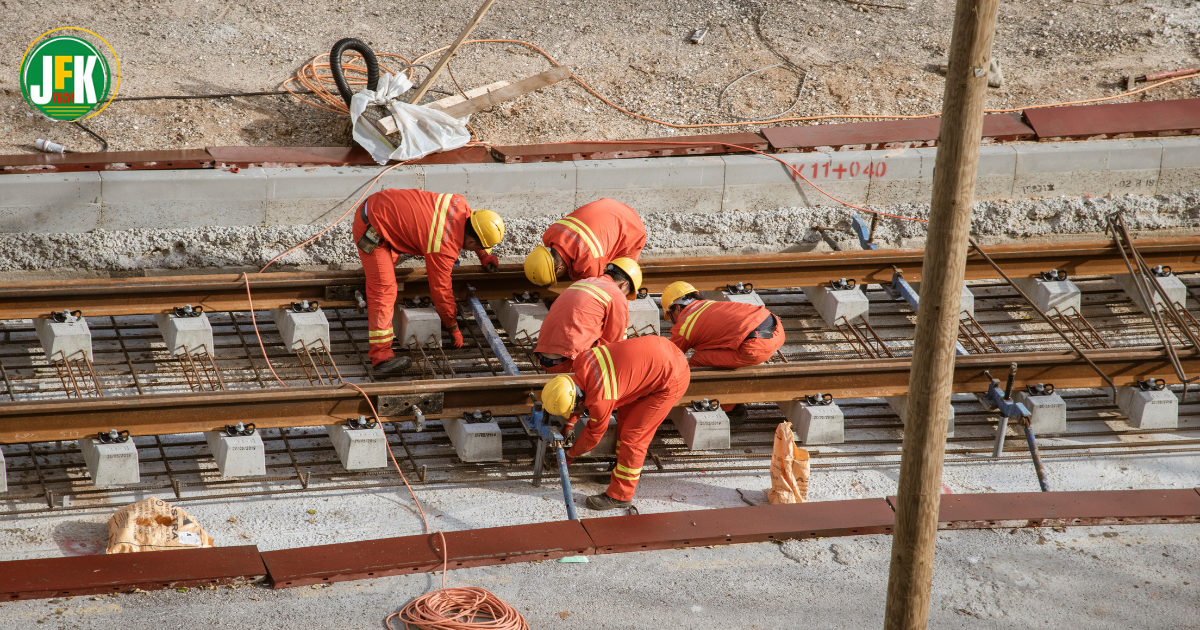

Working on or near the railway requires the right knowledge, preparation and safety awareness. PTS Training in London is designed for people who need to work safely in or around railway environments and understand the procedures required when working on or near the track.
For workers looking to enter the rail industry, choosing the right PTS course in London can be an important step towards becoming prepared for railway work.
In this guide, we explain what PTS Training involves, who may need it, what you can expect from the course and why Personal Track Safety knowledge is important for railway workers.
What Is PTS Training?
PTS Training, also known as Personal Track Safety training, is designed to provide workers with essential knowledge for working safely on or near railway tracks.
The railway environment can involve a range of hazards, including moving trains, railway equipment, electrical risks, uneven ground and changing site conditions. Workers therefore need to understand how to identify risks and follow appropriate safety procedures.
A PTS course helps learners understand their responsibilities when working in a railway environment and develop the awareness needed to work safely around operational railway infrastructure.
Whether you are starting a career in the rail industry or need the appropriate safety preparation for railway work, PTS Training in London can help you develop essential railway safety knowledge.
Who Needs PTS Training?
PTS Training is relevant to people whose work requires them to access or work in railway environments.
This may include workers involved in areas such as:
- Railway construction
- Track maintenance
- Rail engineering
- Infrastructure projects
- Railway inspection
- Maintenance and repair work
- Specialist railway contracting
- Other roles requiring access to railway environments
The exact requirements can depend on the role, employer and railway project. Before booking a course, candidates should check that the training they choose meets the requirements of their intended railway work.
For people searching for PTS Training in London, a suitable course can provide an important foundation in railway safety and safe working practices.
Why Is Personal Track Safety Training Important?
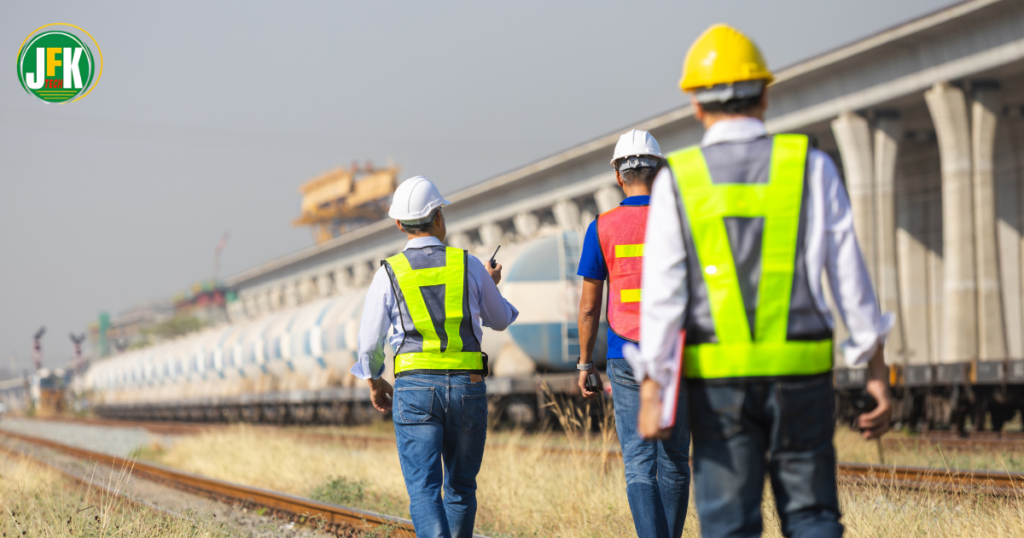
Railway environments require a high level of safety awareness. Workers may operate close to live railway infrastructure, moving trains, plant, equipment and other potential hazards.
PTS Training helps workers understand the importance of following established safety procedures rather than relying solely on experience or assumptions.
A good understanding of Personal Track Safety can help workers:
- Recognise common railway hazards
- Understand safe working procedures
- Follow railway safety instructions
- Understand personal responsibilities
- Respond appropriately to changing site conditions
- Work more confidently within a railway environment
- Support a safer workplace
Safety is particularly important when multiple workers, contractors and railway professionals are working within the same area. Clear communication and an understanding of safe working procedures can help reduce unnecessary risks.
What Does a PTS Course Cover?
A Personal Track Safety course focuses on the knowledge and behaviours workers need when working on or near railway infrastructure.
The exact content can vary depending on the course and applicable requirements, but key areas can include railway safety responsibilities, hazards, safe working procedures and emergency awareness.
Railway Safety Rules
Understanding railway safety rules is an essential part of PTS Training.
Learners need to understand why railway procedures must be followed carefully and how individual actions can affect their own safety and the safety of others working nearby.
The course helps build awareness of the importance of following instructions, recognising restrictions and maintaining safe behaviour within railway environments.
Working Safely On or Near the Track
Working on or near railway tracks presents specific risks that are different from those found on a typical construction site.
PTS Training introduces learners to the principles of working safely within these environments and the importance of maintaining awareness of their surroundings.
Workers need to understand where they can safely work, how to respond to instructions and why they must remain alert to railway activity around them.
Railway Hazards and Risks
Identifying hazards is an important part of maintaining personal safety.
During PTS Training, learners develop awareness of potential railway hazards and the importance of assessing their surroundings before carrying out work.
This may include understanding risks associated with:
- Moving trains
- Railway infrastructure
- Plant and equipment
- Electrical hazards
- Uneven or restricted working areas
- Changing site conditions
- Other workers and site activities
Recognising a hazard is only the first step. Workers must also understand the appropriate procedures for dealing with risks within their working environment.
Safe Working Procedures
Following established procedures is essential when working within the railway industry.
PTS Training helps learners understand the importance of following instructions, communicating effectively and working within the rules applicable to their role and location.
This can be particularly important on busy railway projects where different teams may be working simultaneously.
Communication and Emergency Procedures
Effective communication plays an important role in railway safety.
Workers need to understand how safety information is communicated and why instructions must be understood and followed correctly.
PTS Training also helps develop awareness of what to do when unexpected situations or emergencies occur, helping workers respond in a controlled and safety-focused manner.
PTS Training in London Requirements
Before enrolling on a PTS course in London, candidates should make sure they understand the requirements associated with the training and their intended railway role.
Depending on the course and role, there may be requirements relating to eligibility, medical fitness, identification or other industry processes.
For this reason, it is important to check the specific requirements with the training provider before booking.
JFK Tech can provide information about its PTS Training and help candidates understand the course process before they enrol.
How Long Does PTS Training in LondonTake?
The duration of PTS Training can depend on the specific course and the requirements associated with the learner’s intended railway role.
For the PTS Medical, Drugs & Alcohol course at JFK Tech, the learning format includes E-Learning followed by 2 days of classroom learning.
This blended approach allows learners to complete part of their learning online before attending classroom sessions.
Before booking, learners should confirm the exact course requirements and schedule with the training provider.
What Is the PTS Medical?
A PTS medical is part of the process associated with determining whether an individual is medically suitable for the relevant railway work.
Medical fitness is particularly important in safety-critical environments because workers may need to remain alert, physically capable and able to respond appropriately to workplace hazards.
Candidates should make sure they understand the applicable medical requirements for their intended role before starting their railway career.

PTS Medical, Drugs & Alcohol Requirements
Drugs and alcohol can affect concentration, judgement, coordination and reaction times. These effects can create significant risks in a railway environment.
Understanding drugs and alcohol requirements is therefore an important part of preparing for railway work.
Workers should understand their responsibilities and the importance of remaining fit and alert while carrying out safety-critical duties.
The PTS Medical, Drugs & Alcohol course provides relevant learning around these areas as part of the preparation for railway work.
PTS Training in London and Barking
For people based in London or East London, choosing a training provider that offers convenient access to railway-related courses can make the process easier.
JFK Tech Training is based in Barking, London, and provides training for individuals looking to develop their professional skills across different industries.
For learners searching for PTS Training in London, the course provides an opportunity to develop relevant railway safety knowledge and understand important requirements before entering the rail industry.
What Qualification Will You Receive After PTS Training?
The qualification or certification received depends on the specific PTS course and the applicable railway industry requirements.
Learners should always confirm the exact certification, validity period and eligibility requirements with their training provider before enrolling.
It is also important to ensure that the course is appropriate for the railway role you intend to undertake.
Career Opportunities After PTS Training
The railway industry includes a wide range of roles across construction, maintenance, engineering and infrastructure.
Having appropriate safety knowledge can be an important part of preparing for work in these environments.
Depending on your experience, qualifications and other requirements, railway-related opportunities may include roles connected with:
- Railway construction
- Track maintenance
- Rail infrastructure
- Engineering projects
- Railway maintenance
- Specialist contracting
- Railway site operations
PTS Training should be viewed as part of your overall preparation for railway work rather than a replacement for the qualifications or experience required for a specific job.

Why Choose JFK Tech Training?
JFK Tech Training provides professional training courses for individuals looking to develop their skills and prepare for employment opportunities.
For learners interested in railway-related training, JFK Tech offers PTS Training and PTS Medical, Drugs & Alcohol learning options.
The PTS Medical, Drugs & Alcohol course combines E-Learning with 2 days of classroom learning, providing a structured approach to the subject.
Learners can contact JFK Tech Training to discuss the available course and understand the requirements before enrolling.
Conclusion
PTS Training is an important part of preparing for work in railway environments where personal safety and awareness are essential.
From understanding railway hazards and safe working procedures to learning about medical fitness and drugs and alcohol requirements, the right preparation can help learners understand their responsibilities before entering the rail industry.
For those looking for PTS Training in London, JFK Tech Training provides railway-focused learning options, including PTS Medical, Drugs & Alcohol E-Learning and 2 days of classroom learning.
If you are preparing for a career in the railway industry, contact JFK Tech Training to learn more about the available PTS courses and enrolment process.